

Temperate sophistication
Words by Jamie Crocker
Budock Vean Hotel & Spa is a four-star retreat set within a 65-acre countryside estate.
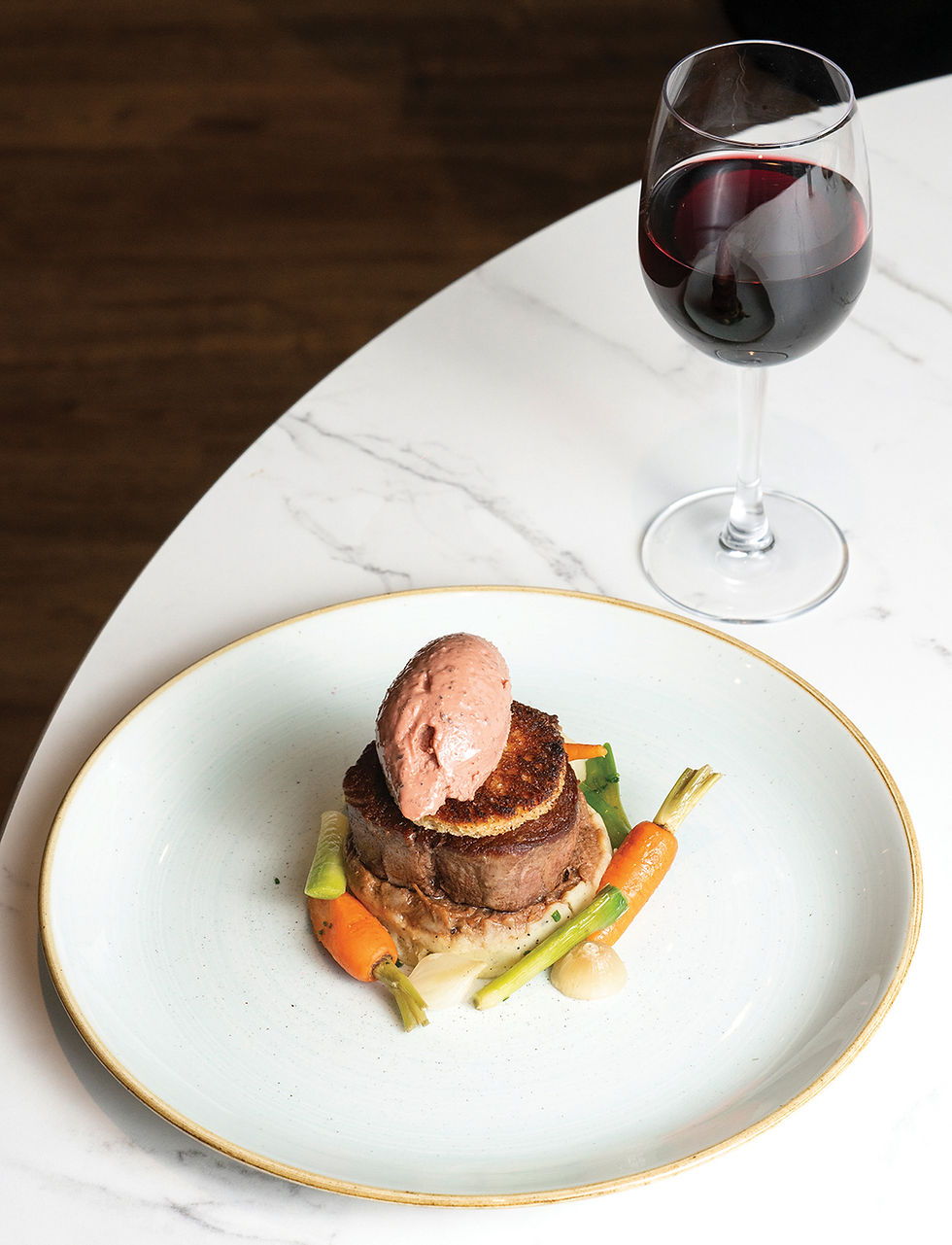
Situated just above the Helford River in Cornwall, its facilities include a 9-hole/18-tee golf course designed by James Braid, indoor pool, sauna, outdoor hot tub, tennis courts, acres of subtropical gardens, and a private foreshore with water sports and boat trips. Accommodation ranges from hotel rooms to self-catering cottages and lodges, with easy access to the gardens and nearby coastal walks. We find out what draws visitors and why the dining experience is a key factor.
The menus place a clear emphasis on seasonality and locality. How does the kitchen team decide what makes the cut at any given point in the year, and how flexible is that process day-to-day?
Cornwall’s mild maritime climate influences the farming cycle. The temperate weather protects crops from extreme frosts in winter and allows an extended growing season compared to many parts of the UK, so the starting point is always what’s genuinely at its best locally.

At Budock Vean, seasonal, locally sourced ingredients shape dishes across breakfast, lunch and dinner, Sunday lunch, and afternoon tea (from a Cornish cream tea of fresh scones, jam and Cornish clotted cream to a full afternoon tea with sandwiches, scones and cakes). As we welcome both residents and non-residents throughout the year, we plan by the season but stay flexible.
We also use themed weekends and set-menu evenings as a way to focus the kitchen on a particular slice of Cornwall’s larder, for example, around St Piran’s Day, we’ve previously put on a Cornish Celebration Weekend built around produce-led menus and regional wine pairings.
Cornwall is rich in produce, but also highly competitive when it comes to sourcing. Which suppliers and producers are most important to you, and how do those relationships influence what appears on the plate?
Cornwall’s produce is strong, but it’s also seasonal and in demand, so relationships matter as much as the ingredient. Because we serve all year, we need suppliers we can plan with through the full calendar, whether we’re looking for spring greens and early new potatoes, summer fruit, autumn squash and orchard produce, or hardy winter brassicas and roots.
Those partnerships shape what appears on the plate because we prefer to design dishes around what’s at its peak locally, rather than writing a fixed menu and forcing ingredients to fit. When growers or fishers have something particularly good, Cornish crab, for instance, we’ll build a dish around it. The aim is to keep standards high while staying realistic about what Cornwall can provide at that moment.

Can you talk through the philosophy behind your core dining offer? What are you trying to achieve for the guest beyond simply providing a good meal?
At Budock Vean, the food is part of a bigger reason people come here: to slow down, and often to mark an occasion too, such as birthdays, anniversaries and family celebrations. Being tucked away in calm countryside surroundings on the Helford River creates a genuinely tranquil atmosphere, and we want the dining offer to feel like an extension of that: warm, unhurried and restorative, rather than something rushed.
Beyond simply providing a good meal, we’re trying to offer a change of rhythm: time for breakfast without rushing, a long lunch, afternoon tea, or an evening supper club where the conversation is part of the visit. The thread that ties it together is straightforward, well-made food that follows the seasons, alongside service that feels attentive.
Sustainability is often discussed, but less often evidenced. What specific changes have you made in the kitchen and across your food operations to reduce waste and environmental impact, and where do you feel there is still work to do?
For us, sustainability starts with seasonality. Cooking according to the Cornish growing calendar improves flavour and quality, but it also allows us to buy closer to the source, supporting local farms and fisheries. It’s a more resilient model too: rather than insisting on the same ingredients year-round, we build menus that move with what the land and sea can realistically provide.
How does the setting, particularly the Helford River and surrounding gardens, inform the food offering, if at all? Does it shape flavour profiles,presentation, or even the pacing of a meal?
The setting does influence the experience. In the restaurant and on the terrace, the gardens are always in view, which gives meals a clear connection to where you are and encourages a slower pace.
In terms of flavour, presentation and pacing, spring/summer plates lean lighter and brighter; autumn/winter becomes more earthy and warming. Guests often make a day of their visit, perhaps an afternoon tea in the fireside lounge or an unhurried Sunday lunch, followed by a walk down to the private river foreshore, along the riverside trails, or through the subtropical gardens.
We also host intimate supper clubs, where guests come for an experience as much as for the food. A guest speaker shares stories and insights about the local landscape and wildlife, emphasising our close connection with the area.

The Terrace and bar offer a more relaxed experience alongside the main restaurant. How do you ensure consistency in quality and identity across these different dining spaces?
It helps that the menus are built from the same idea wherever you sit: seasonal cooking that makes good use of what’s available locally. Whether guests are in the main restaurant, the bar, or outside on the terrace, the offer is aligned so it feels cohesive rather than like separate concepts.
The terrace is simply a more informal setting. When the weather allows, it’s ideal for lunches outdoors, with the gardens and golf course as the backdrop. Operationally, we focus on consistency of sourcing, prep and finishing across all sections, so the food feels recognisably ours whether it’s served indoors or out.

What role does the wine list and drinks programme play in the overall experience, particularly in terms of championing Cornish producers or lesser-known vineyards?
The drinks list is intended to sit alongside the food rather than compete with it. Alongside established favourites, we include Budock Vean cider and Budock Vean Coastal Gin, as well as a range of Cornish ales, ciders and spirits.
On the wine side, we make space for English producers, including vineyards from Cornwall. Current examples include Camel Valley Brut and Camel Valley Pinot Noir Rosé Brut, Wild Life Botanicals Nude as a low-alcohol sparkling option, and Knightor’s Carpe Diem White and Carpe Diem Red.
English Wine Week in June is one point in the calendar where we put those producers front and centre, with a South West Wine Tasting & Dinner built around a four-course seasonal menu and paired with still and sparkling wines from Cornwall and the wider region. The pairings are introduced through the evening, with background on the wines and the producers.
How do you cater to returning guests who may dine with you multiple times over the course of a stay? How do you keep the experience fresh without losing your core identity?
Because we’re open year-round to residents and non-residents, we see plenty of returning guests. Some come back for a familiar favourite; others are looking for a calm setting, seasonal cooking and time to properly switch off.
We keep the core identity consistent, with seasonal dishes and a relaxed welcome. The setting is key: terrace lunches, garden walks and riverside routes mean repeat visits feel different as the landscape changes through the year. In spring and summer, that might mean eating outdoors, then heading off for a walk. In autumn and winter, it may be a roast followed by a brisk stroll along the Helford River.


