Extending the appeal
Words by Jamie Crocker
Cornwall holiday cottages now offer guests connective experiences.
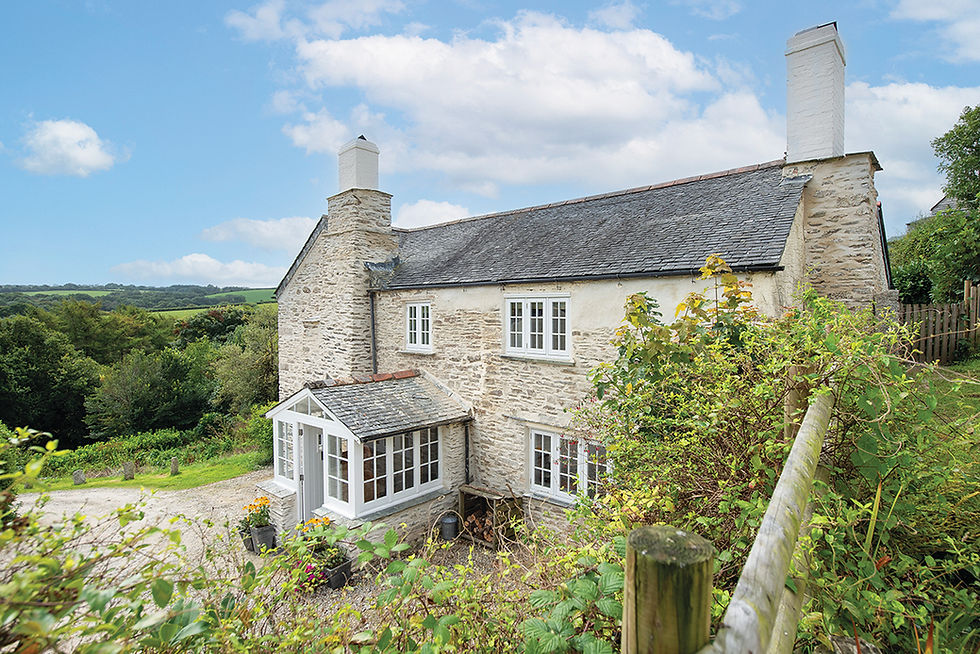
Old Lanwarnick has long been recognised for offering family oriented, dog-friendly accommodation that allows visitors to explore Cornwall beyond the usual tourist routes.
Its story began in 1086, though its roots likely reach back further still. The estate earned its first mention in the Domesday Book – England’s pioneering census, commissioned by William the Conqueror to document the nation’s wealth. In those early days, it was a modest agricultural holding: two villagers, three smallholders and one slave tending to an assortment of pigs, sheep and goats. Through the centuries that followed, Old Lanwarnick’s fortunes have risen and fallen with the shifting demands of the local and national economy.
Today, Old Lanwarnick has been transformed into a captivating holiday destination while staying true to its past. The journey from working farm to collection of holiday cottages began in 2010, when the barns and farmhouse underwent extensive renovation. Since then, it has built a reputation as a beautiful, peaceful retreat in the capable hands of Matthew and Vicky.
Spanning 34 acres of fields and woodland, the property provides a mix of historic cottages converted from farm buildings and a landscape that encourages curiosity and engagement. Recent additions to the estate, however, have transformed the visitor experience: a herd of alpacas.
What began with five pregnant females has expanded into a group of 14, including four newborns and five recently acquired males destined for trekking. The decision to introduce alpacas was driven by practicality and a touch of serendipity. The owners sought a way to manage the estate’s grassy expanses without relying on sheep or cattle. Repeated encounters with other breeders and owners convinced them that alpacas could provide both land maintenance and an engaging experience for visitors.

Alpacas offer a gentle presence as opposed to the more traditional choice of so-called land-management animals – sheep – which will eventually destroy everything in their path, creating a green desert. Although not native to these islands, alpacas give more than they take away. The females, selected for breeding and their dark brown and black coats, are sociable, often approaching guests who pause by the fencing. The males who sport an array of different colours for ease of identification, and have been deliberately chosen for trekking, are slowly acclimatising to human interaction. Their training will ultimately enable visitors to lead them along designated walking routes, offering a close-up encounter with the animals while exploring the estate’s varied terrain.
As Vicky acknowledges, “Guests always like to come and see the animals. We’ve got chickens and ducks as well as bees on-site. Some arrive having never held a chicken. We’ve got some who come year in year out and sit and watch the chickens and ducks for hours because they don’t see them where they live. So, introducing Alpacas was a natural extension of an ongoing animal experience, having witnessed the joy and curiosity that animals bring.”
The trekking initiative is not simply a novelty. It encourages visitors to make use of Old Lanwarnick’s acreage in a manner that is both motivating and enjoyable. Paths weave through open fields and wooded slopes, sometimes cutting into gradients that highlight the Cornish light on trees and distant hills. The route planning takes into account both the animals’ pace and visitor engagement, ensuring that each walk provides moments to pause and appreciate the surroundings, or perhaps enjoy a picnic while observing the herd.
The estate’s approach to education complements the trekking. Young visitors are invited to learn about the alpacas’ care and behaviour, while adults can explore the uses of alpaca by-products. Vicky explains, “We only had five alpacas when they were sheared in June, so we didn’t have enough fleece to send to a mill – you need at least 20 kilos for that. Next year, we’ll have enough to get our own wool processed, but in the meantime, we’ve been experimenting. We’re felting, learning to spin and finding creative ways to turn the fleece into beautiful, sellable items.” It’s a tight cyclical economy that carries with it benefits for Vicky and Matthew in terms of income, as well as keepsakes for guests when they depart, along with helping to maintain the landscape.
The fleece, finer and more insulating than Merino wool, presents a premium material, capable of producing garments that are light, soft and comfortable. She continues, “One of the things we’d love to do is run short courses for our guests – something hands-on and fun, like a felting workshop or an introduction to the animals. It would be a chance for people to learn a little, get creative, and enjoy a truly farm-based experience during their stay.”
Beyond textile production, the alpacas’ waste is dried and repurposed by Matthew, making for a very effective fertiliser, or it is formed into bricks suitable for burning, which neatly coincides with Old Lanwarnick’s sustainable practices. Enthusiastically, Vicky adds, “We’ve given some to our neighbours to try, and they’ve said they’ve had the best fruit and veg they’ve ever grown. Someone else did a little test on their cabbage. The ones with alpaca poo grew to about four times the size of those without!”
The experience is not staged; visitors often witness natural events, such as a new born cria (a young alpaca) joining the herd. Such moments provide an unmediated encounter with the animals, deepening appreciation for the care and attention required in their management.
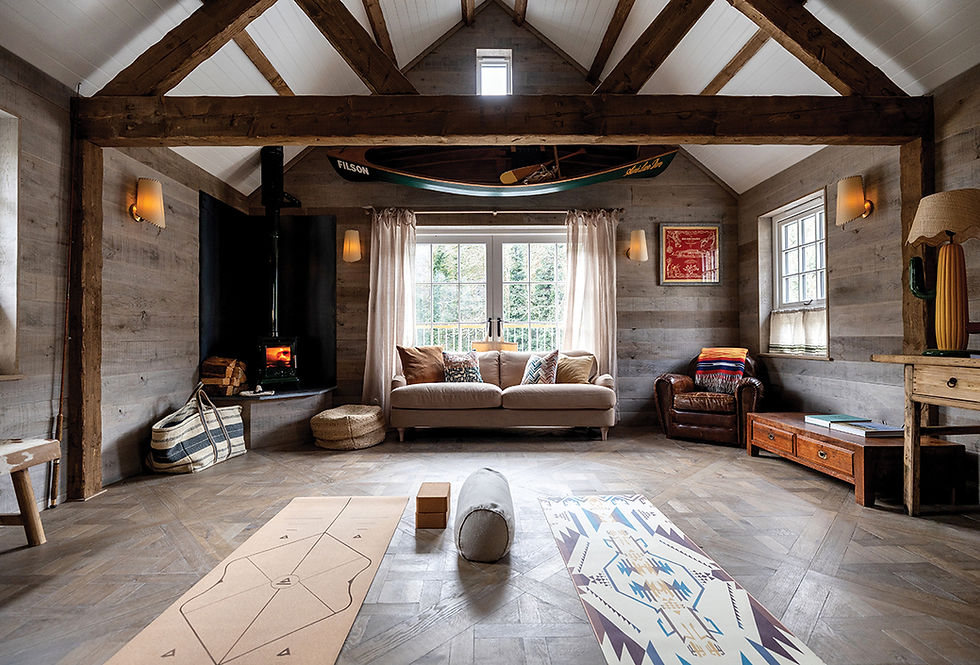
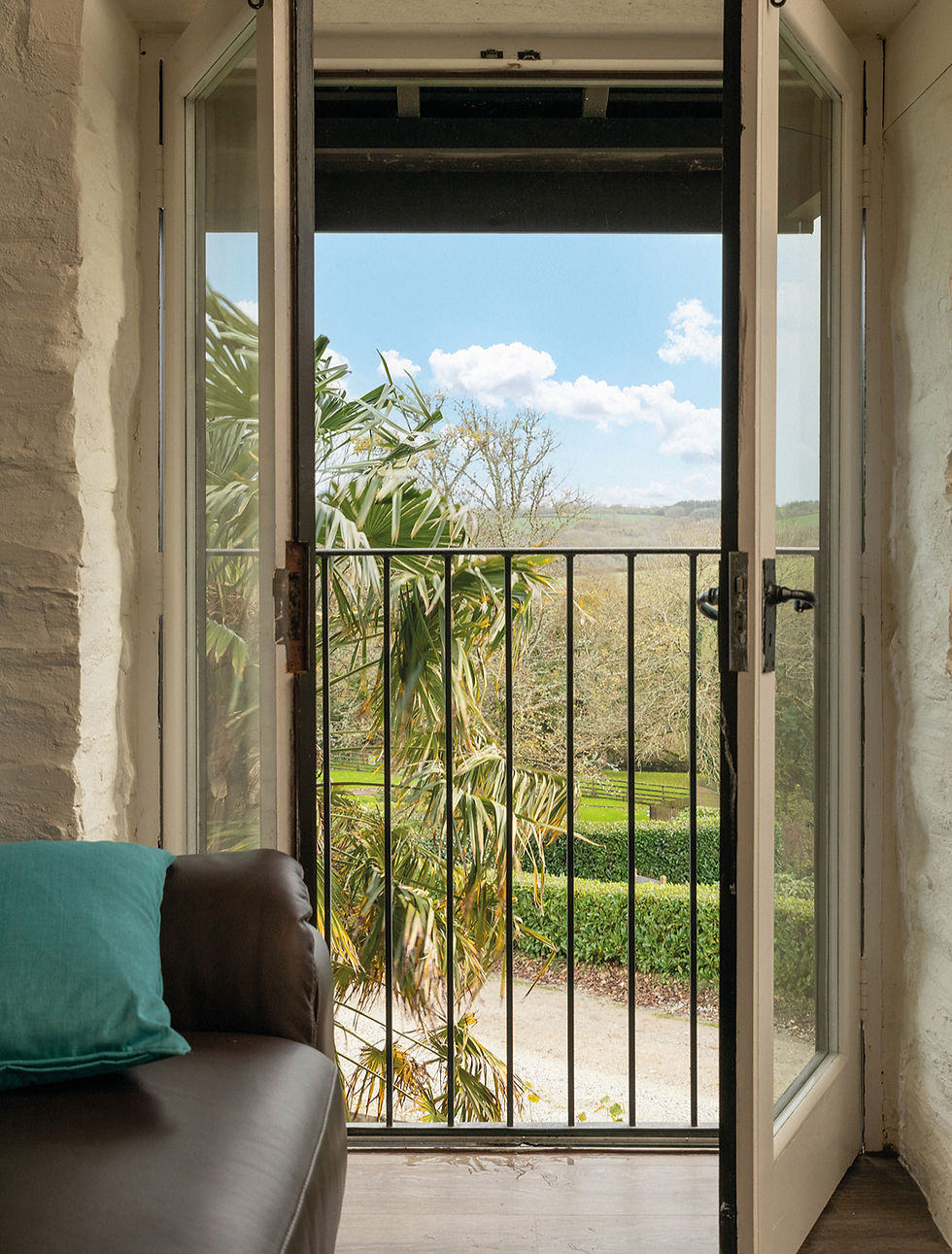
Alpacas are not the only draw to Old Lanwarnick. The accommodation is first-rate. Each cottage maintains character through vaulted ceilings, flagstone floors, which are enhanced by historical detailing. Modern comforts include Egyptian cotton bedding, in-house spa treatments and wood burners, which have been thoughtfully integrated, ensuring families, couples and groups can benefit from both the practical and comfortable aspects of each property. Dog owners are especially welcome with secure dog exercise areas provided for their four-legged companions, while all visitors are encouraged to explore the estate’s flora and fauna, from private woodland walks to spotting local birds and wildlife.

The estate’s ongoing development demonstrates a willingness to innovate. Paths are adapted to accommodate trekking, seasonal movements of animals are planned to support breeding cycles, and educational activities are designed to enrich the visitor experience. Plans include numbered spotting boards to guide exploration, and a mixture of routes that balance shade, open fields, and scenic viewpoints. Each element is intended to foster engagement without compromising the integrity of the land or the well-being of its inhabitants.
Concluding, Vicky adds, “We’re really passionate about our alpacas, and learning about them has been such a journey. From understanding their fleece and how to process it, to mastering the husbandry side, there’s a lot people don’t realise about what being an alpaca owner involves. The weekly checks, the injections, the care, it’s all on us. We’re also adding some pygmy goats around Christmas, which will be fun, but our main focus will remain on growing our alpaca family. For us, it’s about enjoying the process, learning as we go, and creating a unique experience for our guests.”
Old Lanwarnick’s alpacas have, in effect, redefined the expectations of a countryside retreat. By integrating an educational and interactive element into a high-standard accommodation offering, the estate demonstrates how even a family-oriented, dog-friendly property can innovate within its sector. It’s an ongoing project grounded in curiosity and adaptability, where guests are invited to share in the pleasure that can be derived from having a greater engagement with the natural world.