Judicious Continuity
Words by Jamie Crocker
Family stewardship has shaped a Cornish experience with lasting appeal.

We find out how the tension between operating as a holiday park whilst remaining good stewards of the land and environment is resolved into something that satisfies both exigencies.
Wooda Farm Holiday Park has been family-owned since the 1970s. How has that continuity shaped the way the business feels today, both for you internally and for guests arriving on site?
Wooda is something that’s grown alongside our family over generations. It began as a working farm, then gradually evolved into a holiday park, but that sense of stewardship has never really changed.

Internally, it creates a very long-term mindset. We’re not making decisions for the next season; we’re thinking about the next decade, or even the next generation. There’s a real sense of responsibility, not just to the business, but to the land and to the legacy of our family who built it.
For guests, I think that translates into something unique. There’s a feeling of being welcomed somewhere that’s genuinely lived in and cared for, layered over time. And because we’re so personally invested, that warmth and consistency tend to segue into the experience.
In an era where many holiday parks are owned by large groups, what do you think guests gain, tangibly and emotionally, by choosing a family-run, independent business like Wooda?
As we’re independent, everything we do is shaped by our own values rather than a centralised model. That means we can be more considerate in how the park looks and feels, how spaces are used and how guests move through it.
Tangibly, that might be the quality of accommodation, the layout of the park, or the way facilities are integrated into the landscape. But emotionally, I think it goes deeper than that. Guests often tell us it feels more personal, less like they’re visiting a product, and more like they’re staying somewhere with a story.
There’s also a level of flexibility. We can respond to people, adapt and make decisions quickly and intuitively.

The site has evolved from a working farm into a five-star holiday park. How do you retain that sense of rural authenticity while offering a polished, luxury experience?
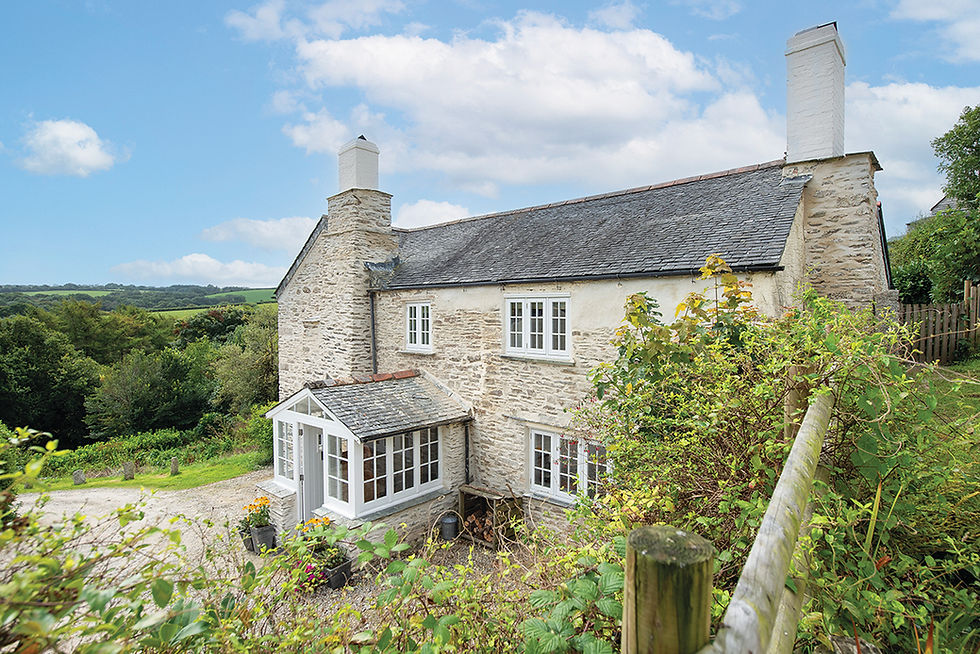
For us, the key has always been to evolve gently rather than overhaul. The farm is still very much part of Wooda’s identity; you can see it in the layout, the open spaces, even in the remnants of the original buildings and history across the site.
When we’ve introduced more premium accommodation or facilities, it’s been about complementing. The lodges, holiday homes and spaces are designed to sit comfortably within the landscape. Luxury is about quality, comfort and thoughtfulness. It’s waking up to sea views, having space around you, and feeling connected to where you are.
Cornwall is increasingly busy, particularly in peak season. How do you balance growth and demand with preserving the sense of space, calm and connection to nature that Wooda is known for?
It’s definitely something we’re very mindful of. There’s always a temptation in tourism to increase capacity, but we’ve taken a more measured approach. Wooda sits within around 40 acres of parkland, and that space is one of its defining qualities.
Rather than adding more, we focus on improving what’s already here, enhancing accommodation, refining facilities, and maintaining generous spacing. We also encourage guests to engage with Cornwall in a slightly different way by exploring quieter spots, visiting outside of peak times where possible and embracing a slower pace.

There’s a strong emphasis on nature, wildlife and sustainability at Wooda, from conservation work throughh to encouraging guests to engage with the landscape. How much of that is a business decision, and how much is rooted in family values?
Before Wooda was a holiday park, it was a working farm, so there’s always been a connection to the land and an understanding of its importance.
That naturally extends into how we run the business today. Sustainability is something we’ve always believed in and have gradually built into everything we do. Of course, it also aligns with what guests are increasingly looking for. We’re custodians of this space, and we must protect it for future generations.
What does a “typical” Wooda guest look like today, and how has that changed over the years as travel habits and expectations have shifted?
Historically, it was very much families returning year after year, and we still have that, which is incredibly special. But now we also see couples, dog-owners, van-lifers and guests who might previously have chosen hotels or international travel.
There’s also been a shift in expectations. People are looking for higher quality and more considered experiences, whether that’s in accommodation, food, or the overall atmosphere. At the same time, there’s a growing desire for something simpler: space, nature, and meaningful time together.
Being family-run often implies a more personal touch. Can you share a moment or story where that independence allowed you to do something for a guest that a larger, more commercial operation simply couldn’t?
It’s often the quieter moments that stay with you. We’ve had situations where guests have arrived during difficult times such as bereavements, illness and other unexpected circumstances, so being independent means we can respond empathetically. We can move bookings, adjust plans, or simply take the time to listen and help.
Those decisions might seem small, but they’re often the ones that guests remember most. It’s about treating people as individuals, not just bookings.
As Cornwall’s tourism industry becomes more commercialised, do you ever feel pressure to scale up in ways that might compromise Wooda’s identity, or is staying independent a conscious resistance to that trend?
Growth isn’t something we’re against, but it has to be the right kind of growth. If something compromises the sense of space, the connection to the land, or the personal feel of the park, then it’s not something we’d pursue.
We’re not a holiday park built around clubhouses or swimming pools. Our guests aren’t coming to Wooda for that kind of experience.
What we offer instead is a new holiday park experience; something quieter and more considered: a countryside retreat centred on quality, where entertainment might look like a local musician playing as the sun sets, or encouraging guests to immerse themselves in nature, whether that’s coastal walks or a swim in the sea pool.

There’s often debate around tourism’s impact on local communities in Cornwall. How does Wooda navigate being both a successful holiday destination and a responsible local business rooted in the area?
It’s an important conversation, and one we’re very conscious of. Tourism is a vital part of Cornwall’s economy, but it has to be managed in a way that genuinely supports local communities rather than putting pressure on them.
Holiday parks like Wooda have long been a core part of that infrastructure. We’re designed to accommodate visitors in a way that’s planned, managed and integrated into the landscape. There’s existing investment in facilities, space, and environmental considerations, which means we can support tourism without placing the same strain on housing or local resources.
For us, being a responsible business means thinking beyond our own boundaries. We support local suppliers, employ locally, and encourage guests to engage with Cornwall in a way that benefits the wider area. It’s about being part of the community, not just operating within it and ensuring that tourism works for Cornwall, not against it.
Finally, when guests leave Wooda, what feeling or memory do you most hope they carry with them, and how does that tie back to being a family-run Cornish business rather than a corporate brand?
More than anything, I hope they leave feeling like they’ve had proper time to slow down and reconnect. Whether that’s children exploring the outdoors, families spending uninterrupted time together, or couples finding a bit of calm, those are the moments that matter.